Top Drainage Solutions for Low-Pitch Queensland Roofs
Low-pitch roofs suit many Brisbane Northside homes, extensions and commercial buildings, but their shallow slope leaves less room for drainage mistakes. During intense summer downpours, undersized gutters, blocked outlets and poorly designed roof junctions can allow water to back up and enter the building.
The best drainage solution depends on the roof’s pitch, profile, catchment area and discharge arrangements. Here are the improvements worth discussing with a suitably licensed roofing or roof plumbing contractor.
1. Check Roof Pitch and Roofing Compatibility
Before upgrading gutters, confirm that the roof covering is suitable for the actual slope. Minimum pitches vary between metal roofing profiles, and some concealed-fix systems accommodate lower slopes than conventional corrugated sheeting. The manufacturer’s requirements also address sheet lengths, overlaps, penetrations and installation details.
If the roof sits below its specified minimum pitch, larger gutters alone will not solve the underlying problem. Corrective work may involve changing the roofing profile, adjusting the roof structure or redesigning problem junctions. Sagging sheets and localised depressions also need investigation because they can hold water even where the overall pitch appears adequate.
2. Size Gutters and Downpipes for Local Rainfall
Brisbane’s heavy rainfall makes accurate drainage sizing essential. Gutters and downpipes should be selected using the relevant design rainfall intensity, effective roof catchment area and drainage layout—not simply matched to what was previously installed.
Additional downpipes can help shorten drainage paths, but only when their outlets and downstream stormwater connections have sufficient https://roofrestorationbrisbanenorthside.com.au capacity. Larger gutters may also help, although gutter shape, fall and outlet placement matter as much as overall size.
For homes around Chermside, Aspley, North Lakes and surrounding suburbs, ask the contractor to assess the complete route from roof to lawful discharge point. A restricted underground stormwater pipe can undermine otherwise effective roof drainage.


3. Provide Safe Overflow Paths
Overflow protection is critical where backed-up water could enter the building. Eaves gutters need appropriate overflow measures, while internal box gutters require carefully designed sumps, outlets and emergency overflow arrangements.
An overflow should release water safely and visibly rather than into a roof cavity or wall. Do not assume that slots in a gutter provide enough overflow capacity for every installation. Their suitability depends on the gutter system and applicable design requirements.
4. Improve Box Gutters and Roof Junctions
Box gutters are common on low-pitch roofs and can cause significant damage when they fail. Effective improvements may include correcting inadequate fall, increasing gutter capacity, providing properly designed sumps and improving maintenance access.
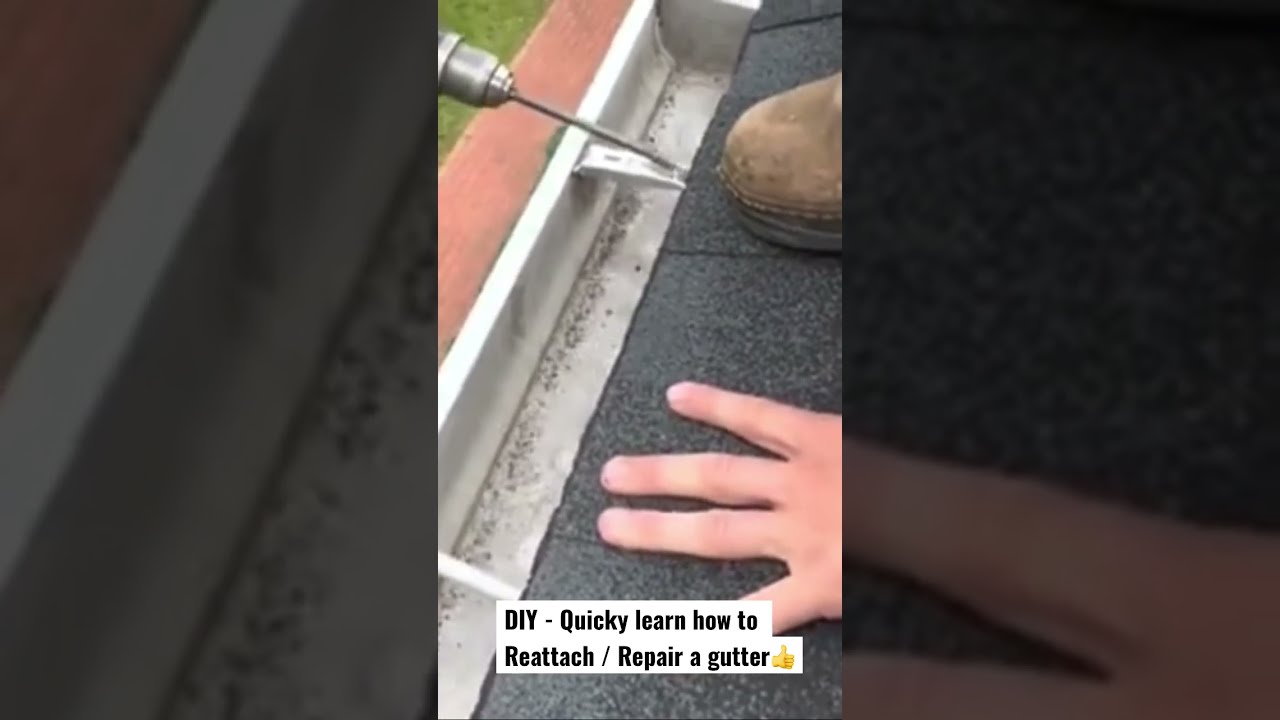
Valleys, wall abutments and roof penetrations also deserve attention. Poorly detailed flashing can allow wind-driven rain or backed-up water beneath the roof covering. Repeatedly applying sealant is not a reliable substitute for correcting an unsuitable drainage or flashing detail.
5. Keep Outlets Clear and Maintain Access
Leaf litter from nearby trees can quickly obstruct shallow gutters and rainheads. Gutter guards may reduce debris accumulation, but they still require cleaning and can restrict water entry if clogged or poorly matched to the roof.
- Arrange gutter and outlet inspections before the summer storm season and after severe storms.
- Check accessible ground-level downpipe connections for leaks, damage or signs of backing up.
- Have persistent ponding, recurring ceiling stains and overflowing gutters investigated promptly.
- Use a professional for roof access; wet metal roofing and fragile surfaces present serious fall risks.
Choose a Compliant, Whole-System Solution
In 2026, drainage upgrades should follow the National Construction Code requirements applicable in Queensland, relevant provisions of AS/NZS 3500.3, and the roofing manufacturer’s installation instructions. Requirements can vary with the building and scope of work, so confirm any approvals and licensing requirements before proceeding.
For a Brisbane Northside property, start with an inspection that covers roof pitch, gutter capacity, overflow protection and stormwater discharge. Fixing the cause—not just the visible leak—offers the most dependable protection during Queensland downpours.
Brisbane Northside Roof Restoration
Unit 3/3 Harvton St, Stafford QLD 4053
(07) 3130 0990
Ends · HECTORAWSP694